
Introduction
In recent years, there has been a growing emphasis on sustainability within the agriculture sector, driven by concerns over climate change and resource depletion. Small-scale farms, like microgreens farms, are increasingly seeking ways to reduce their environmental footprint while maintaining efficient operations.
This case study examines the journey of a microgreens farm towards achieving net-zero energy usage through the implementation of solar power (PV) and geothermal energy solutions.
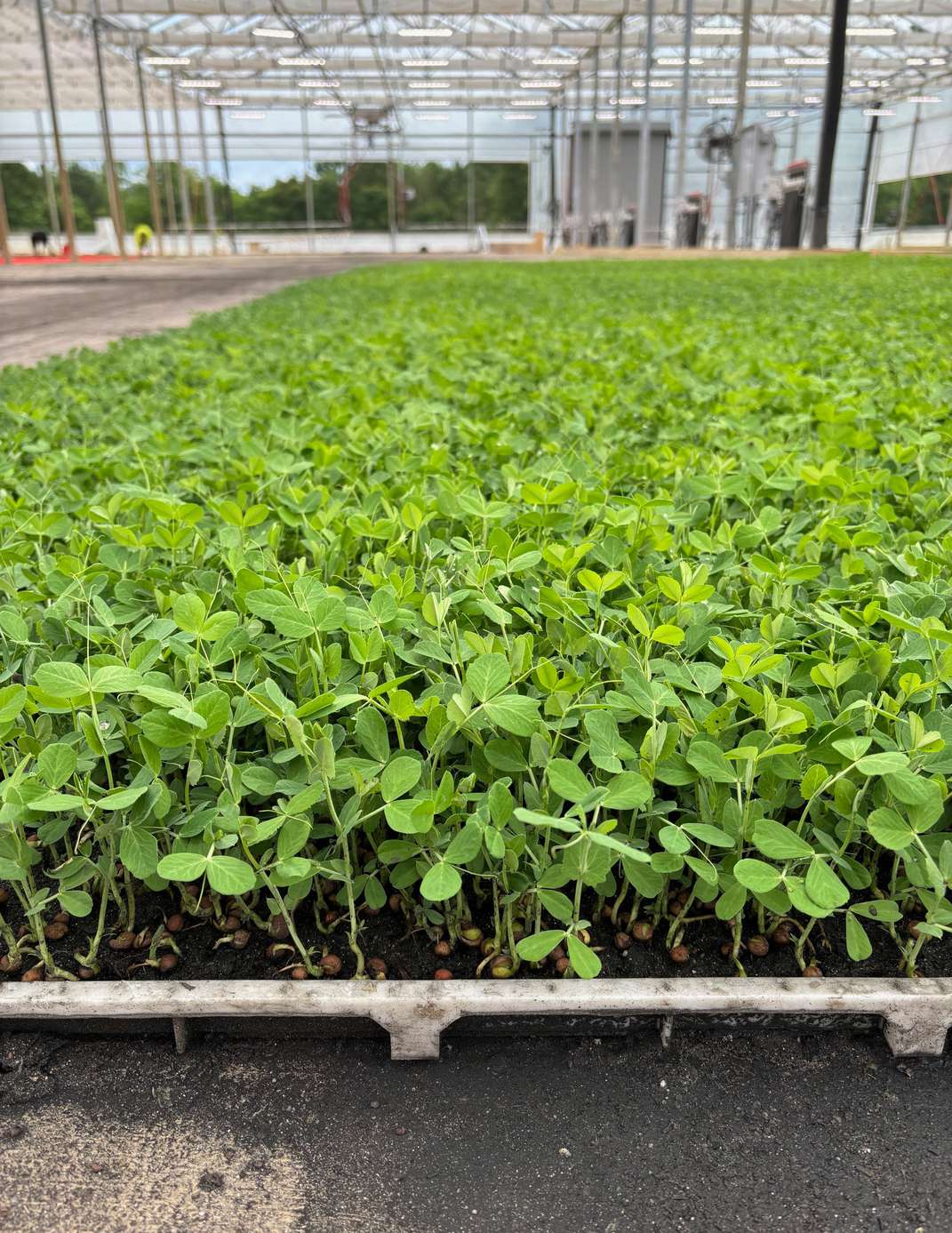
Background
Located in a rural area with ample sunlight and geothermal resources, the farm initially relied on conventional energy sources, drawing power from the grid and relying on fossil fuels, for its operations. However, rising energy costs and a desire to align with sustainable practices prompted the farm's management to explore alternative energy solutions.
This bold vision paved the way for a strategic investment in solar power (PV) and geothermal energy systems, setting the stage for a transformative journey toward energy self-sufficiency and environmental harmony.
Challenges
The farm faced several challenges on its path to sustainability:
Exponential Growth
The farm's new operations facility created a massive increase (by 10X) in its Scope 1 and Scope 2 emissions.
Increased Energy Costs
Conventional energy sources were becoming increasingly expensive, putting pressure on the farm's operating budget.
Environmental Impact
The farm's reliance on fossil fuels contributed to carbon emissions and environmental degradation.
Seasonal Fluctuations
The farm experienced seasonal variations in energy demand, based on the need to maintain consistent growing conditions year-round.
Client Expectations
National clients now expect City Roots to meet or exceed sustainability requirements and CO₂ emission reductions.
Solution — Part 1
High-Efficiency Lighting & Controls
To address these challenges, the farm embarked on a comprehensive energy efficiency and renewable energy initiative.
For the farm's electrical systems, high-efficiency lighting and controls were designed and installed within their industrial greenhouse and processing facility. The basis of the design, focused on lighting controls, reduced their energy demand by 50 percent of conventional high-efficiency lighting.
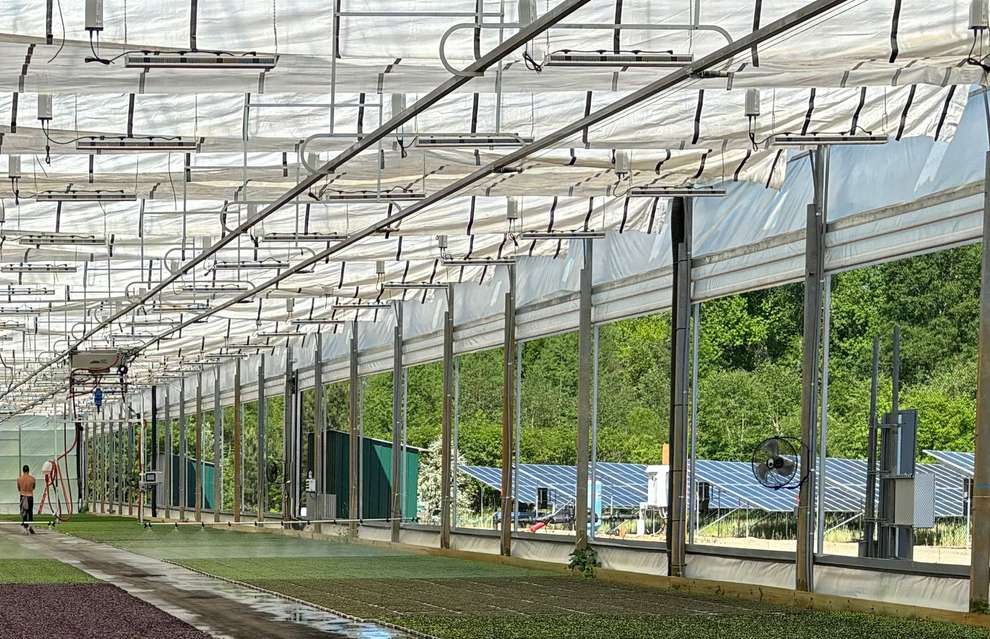
Solution — Part 2
Solar Power (PV) Installation
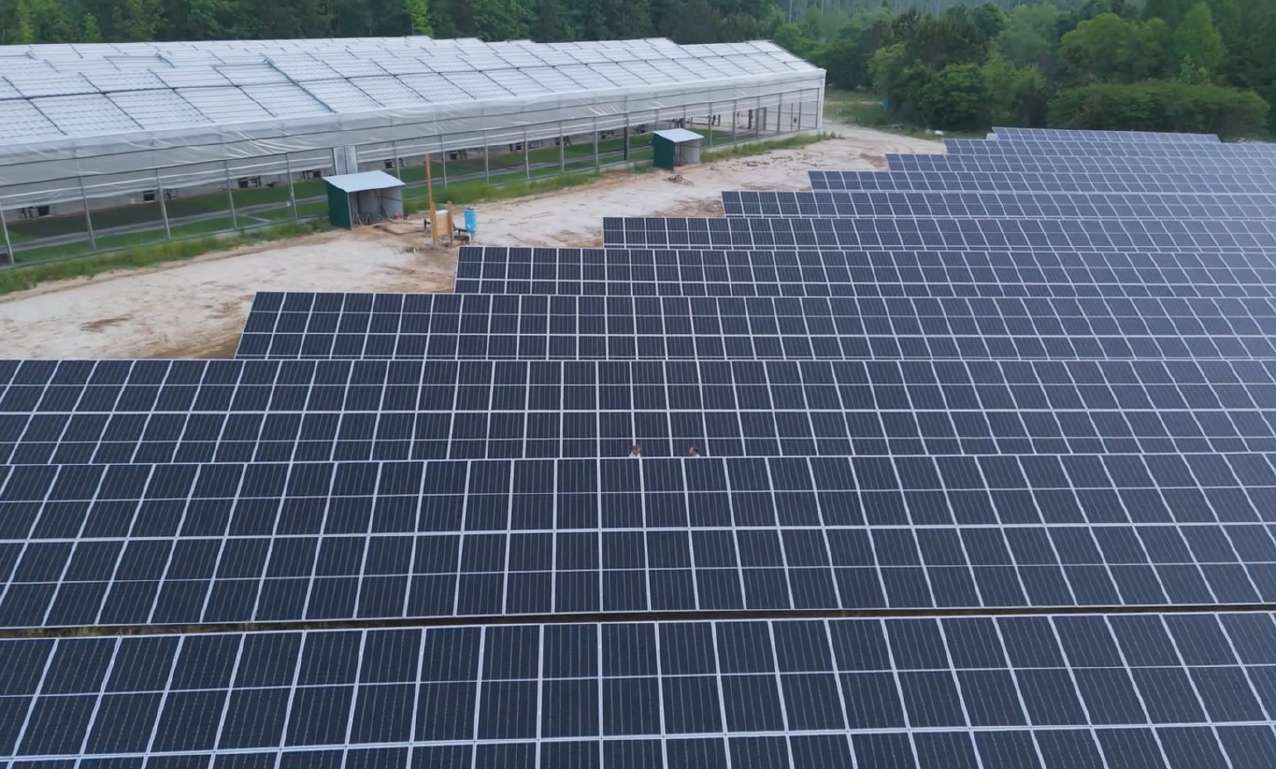
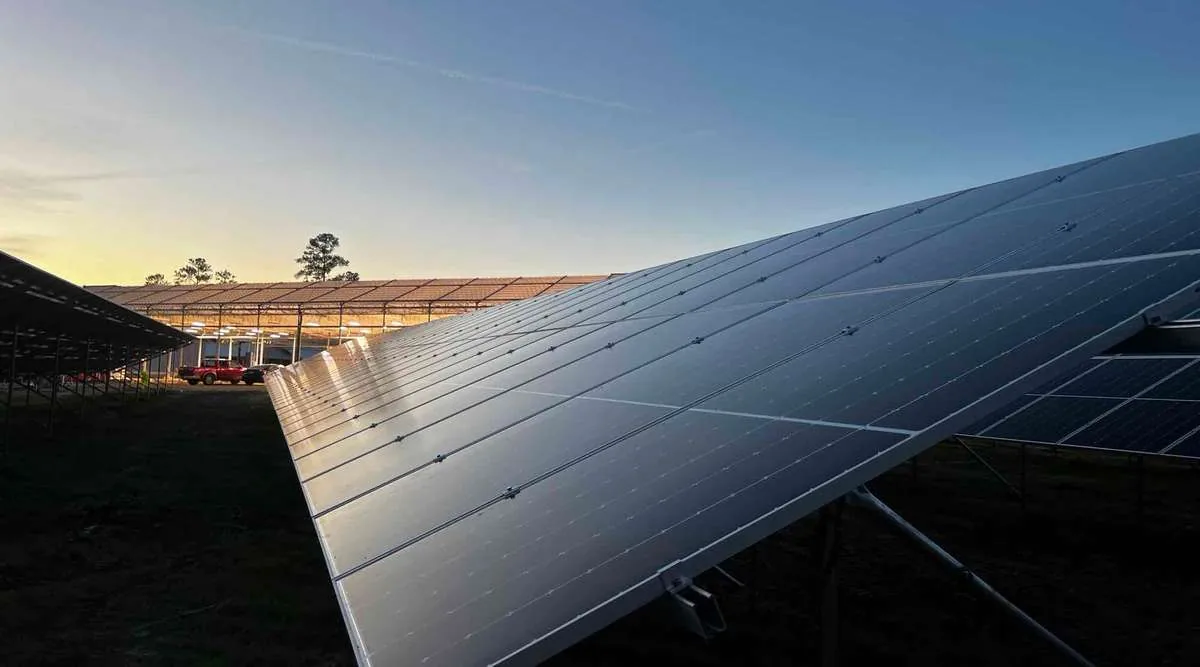
- The farm installed a grid-tied solar photovoltaic (PV) system over several acres to harness solar energy.
- The PV system was sized to meet the farm's energy demand, considering factors such as peak usage and seasonal variations.
- Through net metering agreements with the utility company, excess solar energy generated during sunny periods was exported to the grid, offsetting grid electricity usage during low-sunlight periods or high energy demand.
Solution — Part 3
Geothermal Systems
- The geothermal system eliminated the farm's need for natural gas.
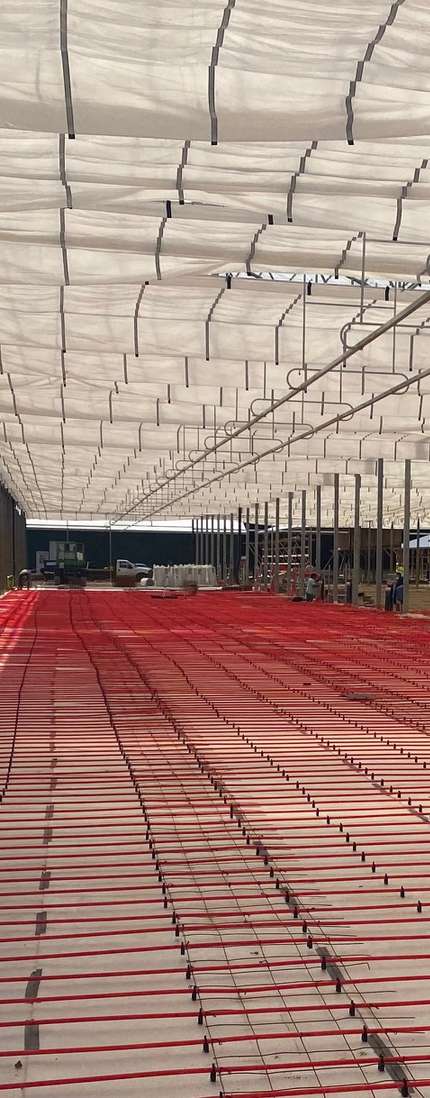
- Leveraging the farm's access to geothermal resources, a closed-loop geothermal system was installed which provides both heating and cooling for greenhouse operations.
- The system provides heat during winter months and dissipates excess heat during summer, providing a consistent and energy-efficient climate control solution. Previously, there was no ability to cool the greenhouse effectively through conventional fossil fuel-based systems.
Solution — Part 4
Greenhouse Controls System
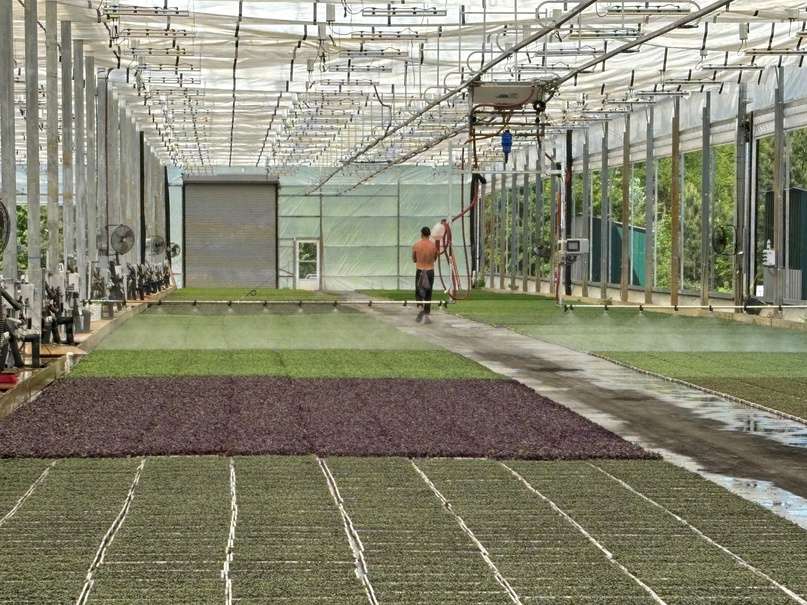
- The greenhouse utilizes a retractable roof, side walls, and shade curtains to efficiently ventilate excess heat and humidity. These systems removed the necessity to utilize exhaust fans and evaporative cooler pumps, further reducing energy consumption.
- The greenhouse utilizes a weather station to optimize internal temperatures in conjunction with the geothermal heating and cooling radiant floors, and high-efficiency lighting controls.
Results
The implementation of solar power (PV) and geothermal energy solutions yielded significant benefits for the microgreens farm:
Reduced Energy Costs
By generating clean, renewable energy onsite, the farm significantly reduced its reliance on grid electricity, resulting in substantial cost savings over time. The adoption of geothermal further contributed to energy cost reduction by minimizing the need for conventional heating and cooling systems.
Environmental Sustainability
The transition to renewable energy sources and the reduction in fossil fuel usage led to a significant decrease in the farm's carbon footprint. The farm's commitment to renewable energy and sustainable practices enhanced its reputation as an environmentally responsible business within the region and among consumers.
Enhanced Resilience
Integrating solar power and geothermal energy systems enhanced the farm's resilience to external energy disruptions, such as power outages or fluctuations in energy prices. The ability to generate and store energy onsite provided greater independence and security, ensuring continuous operation even during adverse conditions.
Conclusion
Through strategic investments in solar power (PV) and geothermal energy solutions, the microgreens farm met and exceeded its goal of achieving net-zero energy usage. By integrating these renewable energy sources, the farm reduced its environmental footprint and enhanced its overall sustainability and resilience in the face of fluctuating energy costs and environmental challenges.
This case study serves as a compelling model for other small-scale farms looking to embrace sustainable practices and reduce their environmental impact. By demonstrating the feasibility and benefits of renewable energy adoption in agriculture, it showcases a pathway towards greater energy independence, cost savings, and environmental stewardship within the farming community.
Moreover, the success of this initiative underscores the potential for renewable energy technologies to drive positive change across various industries, empowering businesses to thrive while contributing to a greener, more sustainable future.
Testimonial
The geothermal radiant system not only reduced our energy hard costs, but it has increased our production yield due to its effectiveness in appropriately heating and cooling the plant's root zone. The ROI on the PV (solar) is very quick compared to the capital expenditure. The onsite production of energy allows us to make smart business decisions without the mystery of the monthly costs of energy affecting our COGs.
Our commitment to Net Zero energy on the farm has met and exceeded the national retail vendors' requirements for ESG.
Branham Group and their project team were integral in developing our conceptual design and then our project delivery. Their knowledge, experience, and service were invaluable to our new operation.
Contact Information
Branham Group, Inc.
11 E Wall Street, Mount Pleasant, SC 29464
Phone: 843.823.6078 | Fax: 843.604.9098